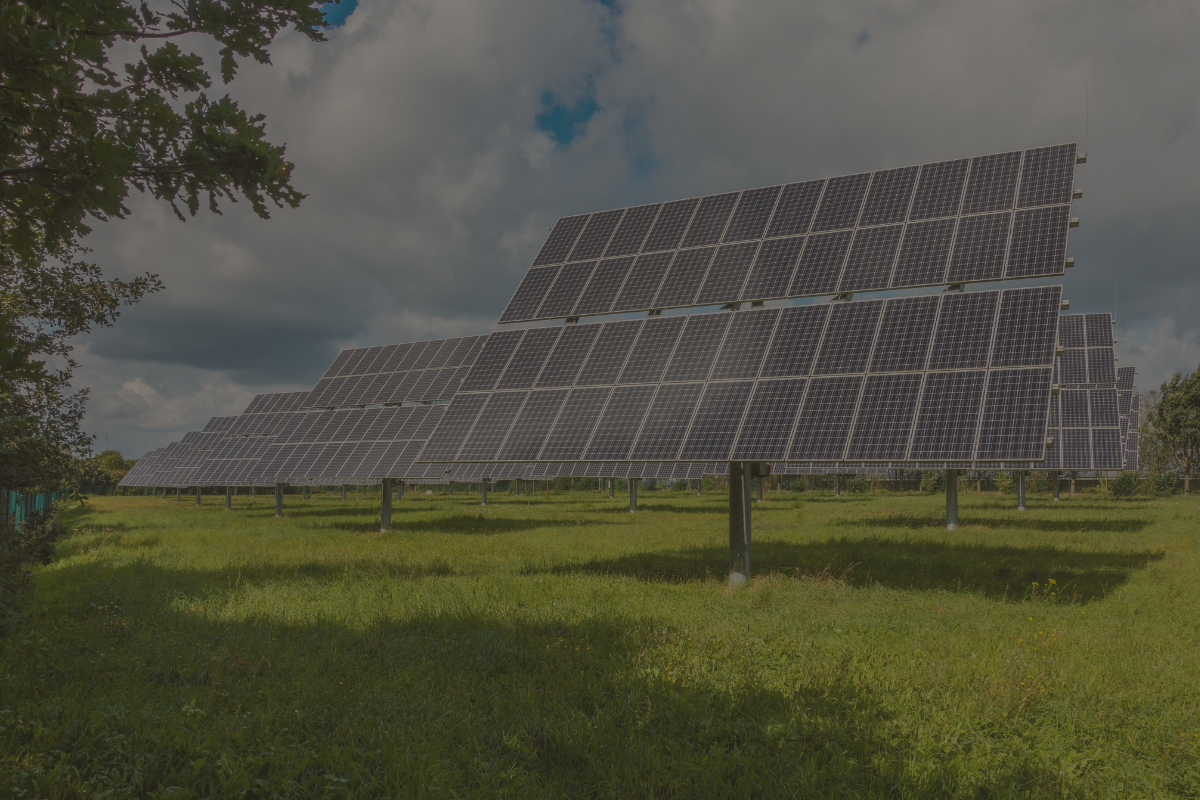
Solar array energy refers to the electricity generated by a collection of solar panels, also known as a solar array or a solar photovoltaic (PV) system. A solar array consists of multiple interconnected solar panels that convert sunlight into electrical energy through the photovoltaic effect.
Solar panels are made up of solar cells, typically composed of semiconductor materials such as silicon. When sunlight strikes these cells, it excites the electrons in the material, creating a flow of direct current (DC) electricity. This DC electricity is then converted into alternating current (AC) electricity using an inverter, which is the standard form of electricity used in homes and businesses.
Solar arrays can be installed on rooftops, ground-mounted on land, or even floating on bodies of water. They are designed to capture sunlight efficiently and convert it into usable electricity. The amount of electricity produced depends on factors such as the size and efficiency of the solar panels, the intensity of sunlight, and the orientation and tilt of the array.
Solar array energy offers several benefits, including renewable and clean electricity generation, reduced dependence on fossil fuels, and potential cost savings on electricity bills over the long term. It is a sustainable and environmentally friendly way to produce electricity and plays a significant role in the transition to a greener energy future.
Solar array energy can be utilized in various ways to meet electricity needs. Here are some common applications:
- Residential electricity generation: Solar arrays can be installed on rooftops or in yards of residential properties. The electricity generated can be used to power household appliances, lighting, heating, cooling systems, and other electrical devices. Excess energy can be fed back into the grid or stored in batteries for later use.
- Commercial and industrial electricity generation: Solar arrays can be installed on commercial buildings, factories, warehouses, and other industrial facilities. They provide a clean and renewable source of electricity to power operations, including lighting, equipment, machinery, and other electrical needs.
- Utility-scale power generation: Large-scale solar arrays, often referred to as solar farms or solar power plants, are designed to generate electricity on a utility-scale. These installations consist of numerous solar panels spread over a significant area of land. The electricity generated is fed into the power grid, supplying energy to a large number of homes and businesses.
- Off-grid power systems: Solar arrays can be used in remote areas or locations without access to the traditional power grid. These off-grid systems typically include solar panels, batteries for energy storage, and inverters. They provide a reliable source of electricity for lighting, appliances, water pumping, telecommunications, and other needs.
- Solar-powered water heating: Solar thermal collectors, which are different from solar arrays, can be used to harness the sun’s energy to heat water. These systems are commonly used for domestic hot water in residential and commercial buildings or for swimming pool heating.
- Solar-powered street lighting: Solar arrays can be integrated into street lighting systems, providing sustainable and cost-effective illumination for roads, pathways, parks, and public spaces. These solar-powered street lights operate autonomously, storing energy during the day and using it to illuminate the area at night.
In all these applications, solar array energy contributes to reducing greenhouse gas emissions, promoting energy independence, and fostering a transition to cleaner and more sustainable energy sources. If you’re wanting to get started in taking advantage of solar array energy, consult with 3B Farms LLC to ensure you’re getting the best deal.